The Critical Role of Occupational Therapists in Addressing Sleep Issues
Updated: Jan 26
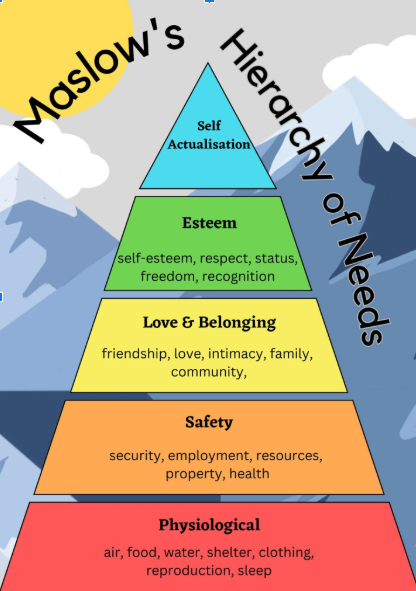
Sleep problems affect millions of people worldwide, disrupting daily life, reducing productivity, and harming overall health. According to Maslow’s hierarchy of needs, sleep is a basic human need and an essential occupation across the lifespan.
The Benefits of quality sleep include improved:
Cardiovascular health,
Energy and mood,
Mental health,
Cognition,
Memory consolidation,
Immunity,
Reproductive health,
Hormone regulation,
and much more...
Visit my blog post to find out how poor sleep affects your cognition, physical and emotional health HERE.
Why Occupational Therapists Are Essential for Certain Populations
Some groups face unique challenges with sleep that occupational therapists (OTs) are well-equipped to address:
Children with developmental disorders such as autism often struggle with irregular sleep patterns. OTs can design sensory-friendly bedtime routines and environments.
Older adults may experience changes in sleep architecture and need support adapting routines to maintain quality rest.
People recovering from injury or illness might have pain or mobility issues that interfere with sleep. OTs can recommend positioning techniques and adaptive equipment.
Individuals with mental health conditions like anxiety, post-traumatic stress disorder (PTSD), schizophrenia or depression often have disrupted sleep. OTs integrate sleep management into broader mental health care.
Individuals with neurological conditions such as sensory processing disorder, attention deficit-hyperactivity disorder (ADHD) and attention deficit disorder (ADD) often have difficulties regulating themselves during waking occupations and often have difficulties with initiating and maintaining healthy sleep. Brain injuries, low vision and blindness also have sleep difficulties due to their difficulties perceiving light and dark to establish sleep patterns.
General population - anyone struggling with poor sleep or stress affecting their rest.
How Occupational Therapists Approach Sleep issues:
While many seek help from doctors, OTs play a crucial but often overlooked role in managing sleep difficulties. OTs are licensed healthcare professionals that routinely address areas that have been strongly connected to poor sleep (e.g., cognitive performance, motor function, emotion regulation) and therefore, view sleep as foundational to overall health and well-being (Browning et al., 2024). Unlike traditional medical treatments that may focus on symptoms or medication, OTs look at the bigger picture. By evaluating and addressing an individual's physical and social surroundings, as well as their habits and cognitive and emotional aspects, OTs can improve sleep quality.

Key Reasons OTs are Essential for Sleep Issues:
Holistic & Client-Centered View: OTs see sleep as a core occupation with the goal of rest and recuperation. OTs prioritize sleep, as quality sleep and rest has a significant impact on functional performance when it comes to all daily activities. OTs assess and intervene on the totality of the client’s daily occupations, not just the symptoms or nightly routines, as there is an increasing body of research suggesting that what we do in the day - our occupations - affects our sleep.
Focus on Habits & Routines: OTs use habits and routines as core tools to help people regain function, build independence, and improve well-being. In the domain of sleep, habits and routines are essential to help develop consistent bedtime routines, wind-down strategies, and daytime habits that promote better sleep.
Environmental Adaptation: OTs are specialists in assessing and intervening in a person’s physical and social environment to optimize the integration of a habit or routine, the reduction of a bad habit and by helping create a sleep-conductive space.
Sensory Strategies: Some clients struggle with heightened sensitivity to stimuli. OTs use sensory techniques to help the body and mind relax for sleep.
Cognitive-Behavioral Techniques: OTs teach relaxation, stress management, and cognitive strategies to address thoughts and worries that interfere with sleep. Cognitive behavioral therapy for insomnia (CBT-I) is in fact considered the gold-standard, first-line intervention for insomnia, and is highly effective in reducing sleep problems and improving sleep, health, and general well-being (Muench et al., 2022; Eakman et al., 2022).
Addressing barriers: OTs work with factors like pain, mental health and cognitive issues that interfere with sleep. A factor, such as the ones mentioned, can affect the body and brain in a different way that in turn affects sleep (Smallfield et al., 2021).
Tailored Solutions: OTs create individualized plans, recognizing that sleep issues look different for everyone, from children with developmental disabilities to adults with brain injuries.
Encouraging Better Sleep Through Occupational Therapy
In essence, OTs don’t just suggest “sleep hygiene”; OTs integrate sleep into a person’s whole life, making it a practical, achievable part of daily living for better health and independence. OTs are uniquely positioned to support individuals struggling with sleep by offering a comprehensive, individualized approach. Whether through sleep education, sensory strategies, cognitive therapy, or behavioural interventions, OT can play a vital role in addressing sleep challenges, improving sleep quality and ultimately improving overall quality of life.
References:
Browning, J., Ludwig, R., Eakman, A., Sanders, M., Faulkner, S., Enam, N., Van Der Veen, R. D., Latella, D., Poole C.W., Bendixen, R. M. & Hartman, A. G. (2024). Restful Rehabilitation; Sleep's Essential Role in Occupational Therapy Education, Intervention, and Research. American Journal of Occupational Therapy, Vol 78(6). https://research.aota.org/ajot/article/78/6/7806347020/25968/Restful-Rehabilitation-Sleep-s-Essential-Role-in
Eakman, A.M., Schmid, A. A., Rolle, N., R., Kinney, A., R. & Henry, K. L. (2022). Follow-up Analyses From a Wait-List Controlled Trial of Occupational Therapist-Delivered Cognitive-Behavioral Therapy for Insomnia Among Veterans With Chronic Insomnia. American Journal of Occupational Therapy, Vol 76(2). https://research.aota.org/ajot/article/76/2/7602205110/23197/Follow-Up-Analyses-From-a-Wait-List-Controlled
Muench, A., Vargas, I., Grandner, M.A., Ellis, J, G., Posner, D., Bastien, C. H., Drummond, S. PA. & Perlis, M., L. (2022). We know CBT-I works, now what? National Library of Medicine. https://pmc.ncbi.nlm.nih.gov/articles/PMC8808745/
Smallfield, S., Fang, L. & Kyler, D. (2021). Self-Management Interventions to Improve Activities of Daily Living and Rest and Sleep for Adults with Chronic Conditions: A Systematic Review Available to Purchase. American Journal of Occupational Therapy. Vol 75(4). https://research.aota.org/ajot/article-abstract/75/4/7504190010/12523/Self-Management-Interventions-to-Improve


Comments