Exploring 5 Key Lifestyle Factors to Protect Against Depression
Updated: Mar 9
Major depressive disorder (MDD) is one of the most common mental disorders worldwide, affecting over 320 million people. It is the result from a complex mix of biological, social, and psychological factors. Symptoms of depression include cognitive (e.g. concentration difficulties), emotional (e.g. sadness), behavioural (e.g. avoidance) and physiological (e.g. appetite and sleep disturbances) issues. These symptoms have a great impact on the individual's daily life including social connections, work productivity, physical health and overall well-being.
Modern treatment for depression include medication and treatment from a health professional. However, what if there are things you can do today, in your everyday life, to help prevent or even treat this mental health issue?
Research has shown that lifestyle factors play an important role in the prevention, development, progression, and treatment of depression (Parvin, Etienne & Wagener, 2025). In fact, the World Health Organization reported a 25% rise in the global prevalence of depression during the first year of the COVID-19 pandemic. This high increase was linked to abrupt and substantial lifestyle changes and emphasized that both healthy and unhealthy lifestyle behaviours can function as protective or risk factors for depression.
In this article, we will explore five key lifestyle factors that have favourable outcomes in both preventative and therapeutic contexts.
Sleep
Why Sleep Matters?
Brain chemistry: Poor sleep impacts neurotransmitters like serotonin and dopamine, which are crucial for mood regulation.
Stress hormone control: adequate sleep lowers cortisol levels, reducing stress and anxiety that can trigger depression.
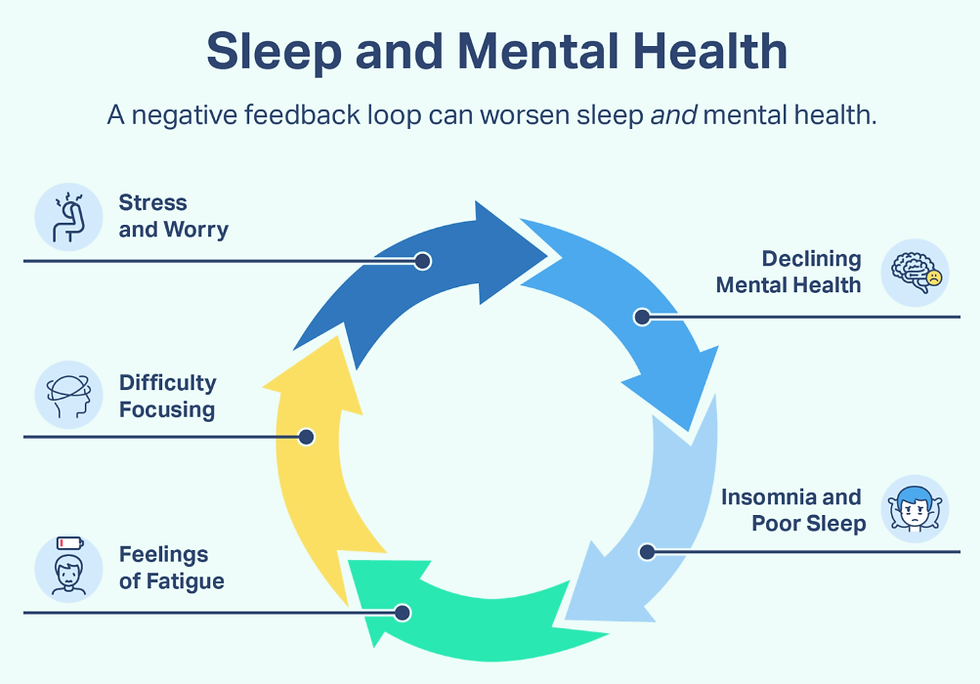
Emotional processing: During REM sleep, the brain processes emotional experiences, consolidating positive ones and dampening negative ones. Sleep disturbances hinder this process, leading to increased emotional reactivity, heightened irritability, and a reduced ability to manage daily stressors. Over time, this emotional dysregulation fosters a vicious cycle, deepening depressive symptoms and making recovery more difficult.
Bi-directional link: Nearly 90% of individuals with depression experience sleep disturbances (Fang et al., 2019). It is also important to note that, while depression can lead to insomnia, persistent insomnia can also exacerbate depressive symptoms, creating a vicious cycle. Persistent sleep issues make depression harder to treat and can reduce the effectiveness of antidepressants and therapy. Even if depressive symptoms improve, unresolved sleep problems are a primary cause of relapse (Franzen & Buysse, 2008).
Effective Interventions for Sleep:
Sleep habits, such as consistent schedule, reducing screen time, can significantly help to improve quality and reduce depressive symptoms.
If sleep issues persists, consult with an Occupational Therapist (OT) that specialises in sleep. An OT can offer you an individualized approach to tackle the issue(s) and break the vicious cycle. Whether through sleep education, sensory strategies or Cognitive Behavioral Therapy for Insomnia (CBT-I), OT can play a vital role in addressing sleep challenges, improving sleep quality and ultimately improving overall mental health.
Visit my blog post to learn how Occupational Therapists are crucial for addressing sleep issues HERE
Physical Activity
Why Physical Activity Matters?
Research shows that people who exercised regularly had a 25% lower risk of depression compared to inactive individuals (Pearce et al., 2022).
Increased sleep quality: It is no surprise that by engaging in physical activity our sleep pressure increases. After physical activity, the need for the synapses of the brain to re-calibrate themselves becomes stronger helping us drift off to sleep and wake up more fresh. Regular exercise also helps regulate the body’s internal clock (circadian rhythm), boosts melatonin production, and promotes a natural drop in body temperature post-exercise to facilitate sleep. As we have seen above, quality sleep is essential for effective prevention and treatment of depression.

Psychosocial perspective: Physical activity improves self-esteem, including body image and enhances self-efficacy. These factors, in turn, help reduce symptoms of depression.
Neurochemical perspective: Physical activity stimulates the production of mood-regulating neurotransmitters like serotonin and dopamine.
How Much Time?
Consistency is key. Daily, shorter sessions (e.g. 15-20 minutes) are often more effective for mood management than one long weekly session.
Target: Aim for about 150 minutes of moderate activity per week, with a minimum daily goal of 20-30 minutes.
Get Moving! - Effective Exercises for Depression:
Randomized controlled experiments have shown that aerobic exercise, resistance exercise, and mind‐body exercise can improve depressive symptoms and levels. (Zhao et al., 2020)
Aerobic Exercise: Running, brisk walking, cycling, and swimming are effective at improving mood by increasing heart rate and boost endorphin levels.
Strength Training: Lifting weights or using resistance bands has shown strong effects in reducing depressive symptoms.
Mind-Body Exercise: Yoga and Tai Chi promote relaxation, decrease stress, and help manage depressive symptoms.
Group sports or classes: Offer social interaction, which can combat feelings of isolation.
Daily Movement: Gardening, cleaning, or walking the dog can contribute to improved mental health.
Furthermore, research has shown that exercise as a treatment alone, for mild to moderate depression, can produce effects like those of first-line interventions, including medications and psychotherapy. (Kvam et al., 2016).
Diet
Why Diet Matters?
Research shows that nutrient-dense diets can lower the risk of depression by up to 30% and diets high in processed foods increase the risk of depression by over 20% (Fabiano et al. 2024).
Brain structure and neurotransmitters: The brain depends on nutrients for producing neurotransmitters like serotonin, which regulates mood.
Inflammation reduction: Diets high in processed, sugary, or fried foods can cause chronic inflammation, which is linked to depression. Conversely, diets rich in fruits, vegetables, nuts, and fish fight this inflammation.
Blood Sugar Control: Complex carbohydrates, such as whole grains and fiber, prevent sharp blood sugar spikes and dips that can cause mood swings and fatigue.
Effective diet for depression?
Increasing evidence supports the link between balanced eating habits such as the Mediterranean diet and lower risk of depression or depressive symptoms (Bayes et al. 2022).
A Mediterranean dietary:
HIGH consumption of fruits, vegetables, nuts, and legumes
MODERATE consumption of poultry, eggs, and dairy products
LOW consumption of red meat.

Mindfulness
(i.e. being fully present and non-judgemental)
Why mindfulness matters?
Disrupts negative rumination: depression often involves a “disorder of time”, where the mind dwells heavily on the past (regret, loss) or the future (anxiety, dread). Mindfulness acts as an anchor to the present moment, breaking the cycle of rumination.
Rewires brain activity: Studies have shown that regular mindfulness practice can change the brain's structure and activity in regions associated with emotion regulation, attention, and self-awareness. It helps reduce activity in the brain's "me center" (associated with self-referential thought) and reduces reactivity in the amygdala, the brain's "fear center".
Mindfulness - “decentering”: This skill allows individuals to stand back from their thoughts and emotions, viewing them as mental events rather than absolute truths. Instead of becoming consumed by a thought like “I am worthless,” a person learns to recognize it as “I am having the thought that I am worthless”.
Practical ways to use Mindfulness daily:
Incorporating mindfulness into everyday life does not require hours of meditation. Small, consistent practices can build protective effects over time.
Mindful breathing: Spend a few minutes focusing on the breath, noticing each inhale and exhale. This anchors attention and calms the mind.
Body scan: Pay attention to physical sensations from head to toe, releasing tension and increasing awareness.
Mindful walking: Walk slowly and notice the feeling of each step, the sounds around, and the movement of the body.
Pause and observe: When negative thoughts arise, pause and observe them without judgement before reacting.
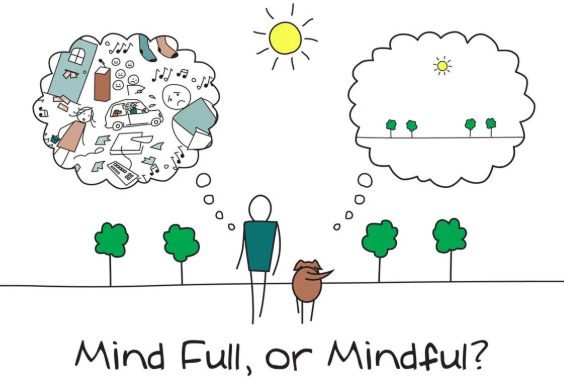
To learn more about mindfulness and how meditation is one of the most effective ways to develop mindfulness visit my blog post HERE.
Optimism
Why Optimism Matters?
Dr Martin Seligman, a psychologist and a founder of modern positive psychology, has done extensive research on optimism. He has found that optimism is in fact a vital defense against depression because it changes the way people explain negative events to themselves, moving from a state of helplessness to one of agency and resilience.
Dr Seligman has found that depression often stems from learned helplessness, a belief that one has no control over negative circumstances. Optimism acts as the remedy for this, allowing people to take action rather than giving in to hopelessness.
How to learn optimism:
Change your lense:
Dr Seligman indicates that pessimist individuals tend to view negative events through three lenses that increase depression. Therefore, by acting on the three lenses individuals are more likely to use active, problem-focused coping strategies (trying to solve an issue) and emotion-focused engagement (accepting reality and finding positive aspects) rather than avoidance or giving up.
Permanence (temporary vs permanent): Pessimists believe that bad events will last forever. Optimists see them as temporary.
Pervasiveness (Specific vs Universal): Pessimists believe a failure in one area (e.g. work) means their whole life is falling apart. Optimists isolate the failure to one specific area.
Personalisation (external vs. internal): Pessimists blame themselves for failures (internal). Optimists tend to blame external circumstances.
Gratitude:
Practicing gratitude can significantly alleviate depression by shifting brain focus from negative biases to positive ones, triggering feel-good neurotransmitters like dopamine and serotonin (Diniz et al., 2023).
Closing notes
Adopting these five lifestyle changes can create a strong foundation for mental health. While they do not replace professional treatment when needed, they offer practical ways to reduce depression risk and improve quality of life.
Although you now "know" how to help alleviate or prevent depression symptoms, establishing a new habit can be extremely challenging. In THIS post, I provide 3 strategies to help you get started towards meaningful change.
Click HERE for strategies to get you started.
Start small by choosing one or two habits to focus on, then gradually build from there. Your mind and body will thank you!
References:
Bayes, J., Schloss, J., & Sibbritt, D. (2022). The effets of Mediterranean Dieton the symptoms of depression in young male: a randomized controlled trial. The American Journal of Clinical Nutrition, 16(2), 572-580. https://www.sciencedirect.com/science/article/pii/S0002916522000612
Diniz, G., Korkes, L., Tristao, L. S., Pelegrini, R., Bellodi, P. L. & Bernardo, W. M. (2023). The effects of gratitude interventions: a systematic review and meta-analysis. https://pmc.ncbi.nlm.nih.gov/articles/PMC10393216/
Fabiano, N., Lane, M. M.& Marx, W. (2024). Diet and Depression. Canadian Medical Association Journal, 196 (35). https://www.cmaj.ca/content/196/35/E1205
Fang, H., Tu., Sheng, J. & Shao, A. (2019). Depression in sleep disturbance: A review on a bidirectional relationship, mechanisms and treatment. https://pubmed.ncbi.nlm.nih.gov/30734486/
Franzen, P.L. & Buysse, D. J. (2008). Sleep disturbances and depression: risk relationships for subsequent depression and therapeutic implications. https://pmc.ncbi.nlm.nih.gov/articles/PMC3108260/#:~:text=Symptoms%20of%20insomnia%20and%20depression,further%20controlled%20trials%20are%20needed.
Parvin, M., Etienne, A-M. & Wagener, A. (2025). Investigating lifestyle risk and protective factors for depression in young adults: insights from a large-scale cross-sectional study. National Library of Medicine. https://pmc.ncbi.nlm.nih.gov/articles/PMC12125014/#bibr28-15598276251347226
Rincón, U.A.; Botelho, S.; Gouveia, J.; da Silva, J. (2021). Association between the dispositional optimism and depression in young people: A systematic review and meta-analysis. Psicol. Reflex. Crit. 34, 1–14.
World Health Organization . Mental Health and COVID-19: Early Evidence of the Pandemic’s Impact: Scientific Brief, 2 March 2022. World Health Organization; Online, Available from: https://iris.who.int/bitstream/handle/10665/352189/WHO-2019-nCoV-Sci-Brief-Mental-health-2022.1-eng.pdf2022.
Zhao, J-L., Jiang, W-T., Wang, X., Cai, Z-D., Liu, Z-H. & Liu, G-R. (2020). Exercise, brain plasticity, and depression. https://pmc.ncbi.nlm.nih.gov/articles/PMC7415205/


Comments